Pole Barn Demolition in Bergen County, NJ
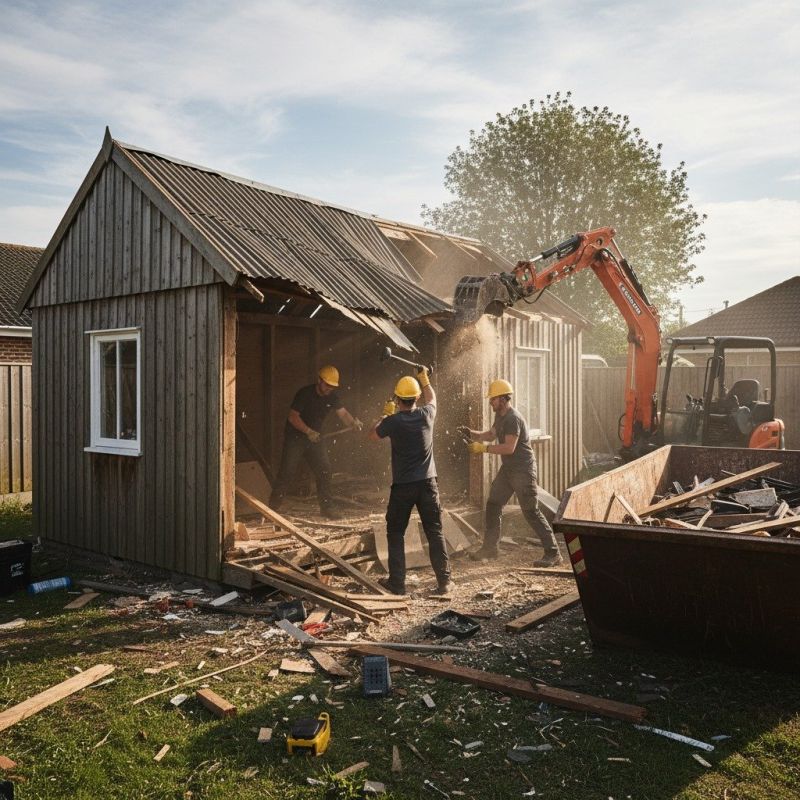
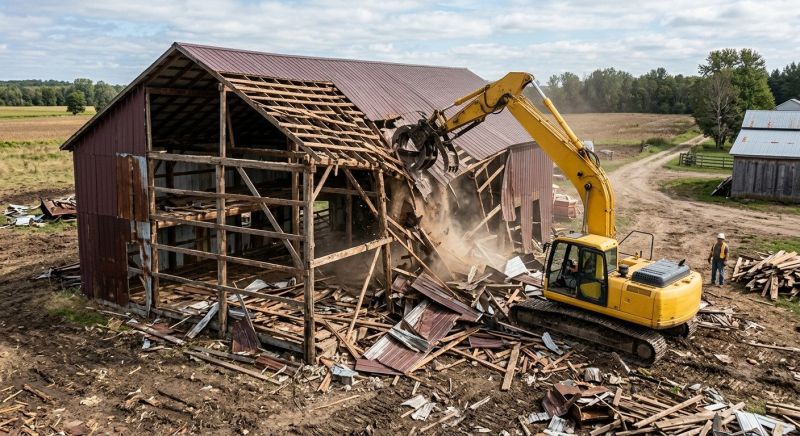
Pole barn demolition services involve safely and efficiently removing existing pole barns, whether they are outdated, damaged, or no longer needed. These projects typically include the complete teardown of the structure, including the removal of posts, framing, roofing, and any remaining debris. Property owners often request this service when planning to replace a barn with a different type of building, repurpose the land, or eliminate structures that are no longer safe or functional.
Before requesting pole barn demolition, property owners usually want to understand the scope of work involved, including how the structure will be dismantled and what happens to the debris afterward. It’s also important to consider any potential permits or regulations in the area, as well as the impact on surrounding property. Clear communication about the project’s details can help ensure the demolition process aligns with property goals and local requirements.
Many property owners in Bergen County, NJ look into Pole Barn Demolition for repairs, replacements, upgrades, and appearance-related improvements.
Residential Pole Barn Demolition
Removing outdated or damaged pole barns to make way for new construction or landscaping projects.
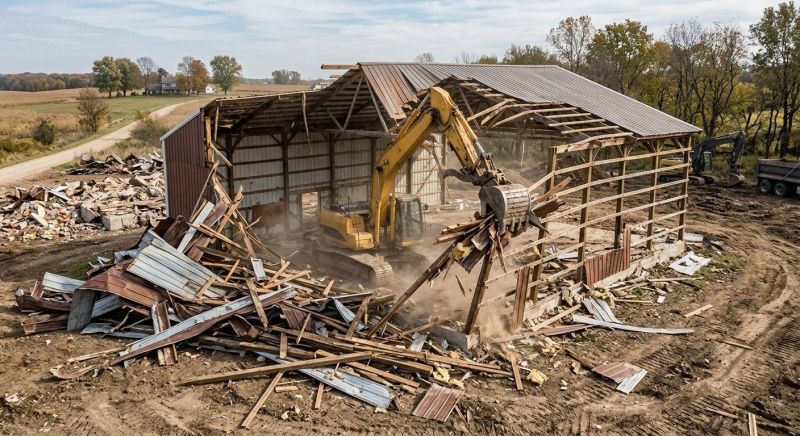
Commercial Pole Barn Removal
Dismantling large-scale pole structures to improve safety and accessibility on commercial properties.
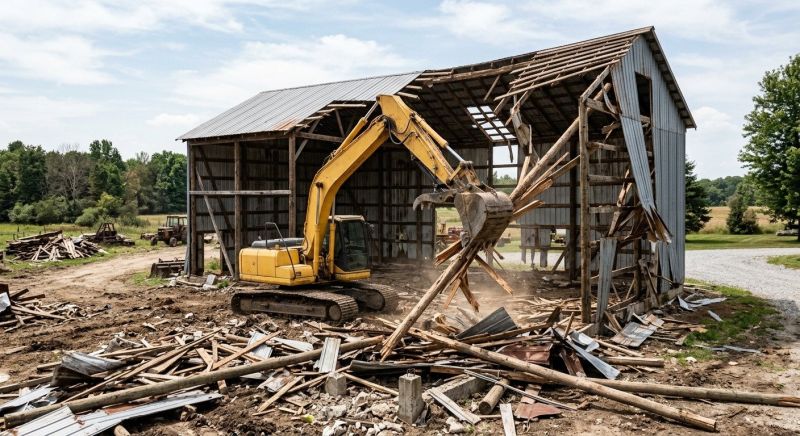
Site Clearing And Preparation
Demolishing pole barns to prepare land for development, renovations, or other property improvements in bergen county, nj.
Pole Barn Demolition in Bergen County, NJ
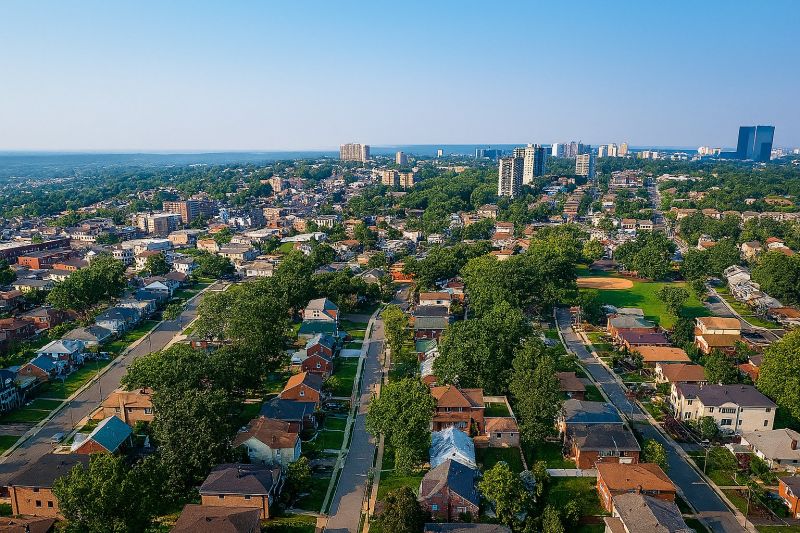
Pole barn demolition services involve safely and efficiently removing existing pole barns, whether they are outdated, damaged, or no longer needed. These projects typically include the complete teardown of the structure, including the removal of posts, framing, roofing, and any remaining debris. Property owners often request this service when planning to replace a barn with a different type of building, repurpose the land, or eliminate structures that are no longer safe or functional.
Before requesting pole barn demolition, property owners usually want to understand the scope of work involved, including how the structure will be dismantled and what happens to the debris afterward. It’s also important to consider any potential permits or regulations in the area, as well as the impact on surrounding property. Clear communication about the project’s details can help ensure the demolition process aligns with property goals and local requirements.
Many property owners in Bergen County, NJ look into Pole Barn Demolition for repairs, replacements, upgrades, and appearance-related improvements.
Common Pole Barn Demolition Jobs
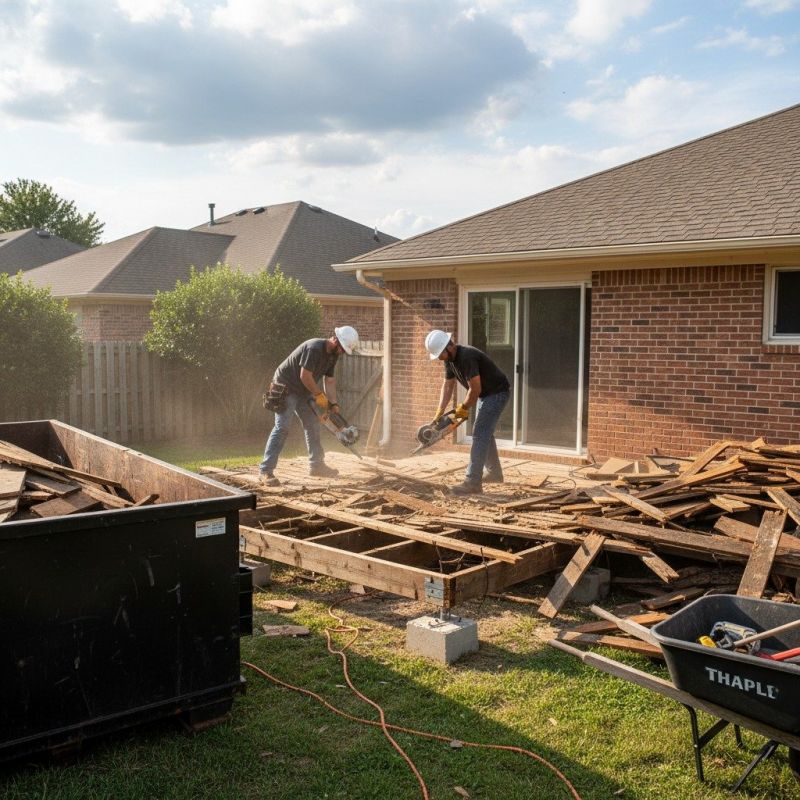
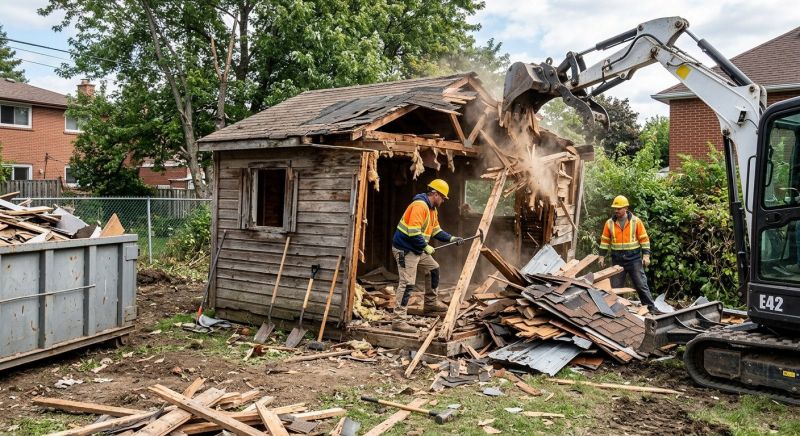
Pole Barn Demolition - safely removing outdated or damaged structures from residential or commercial properties.
Partial Demolition - taking down specific sections of a pole barn to repurpose or renovate.
Complete Demolition - dismantling entire pole barns to clear land for new construction or landscaping.
Structural Removal - carefully removing framing and support elements to prevent property damage.
Site Clearing - preparing land after pole barn removal for future projects or development.
Debris Disposal - handling the cleanup and removal of demolition debris from the property.
Pole Barn Demolition Questions
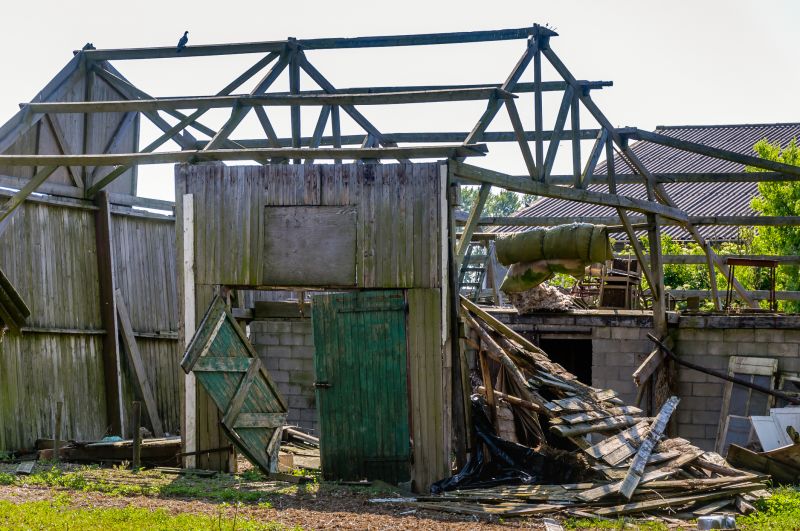
What types of pole barns can be demolished? Various pole barn structures, including metal and wood-frame buildings, can be safely taken down and removed.
Is demolition suitable for old or damaged pole barns? Yes, demolition is an option for structures that are unsafe, deteriorated, or no longer serve their purpose.
What should property owners consider before demolition? It's important to evaluate the structure's size, location, and any potential impact on surrounding areas or utilities.
How is debris handled after pole barn demolition? Debris is typically cleared from the site and disposed of or recycled according to local regulations.
Request Pole Barn Demolition in Bergen County, NJ
Use the quote form on this page to share the basics of your project and request more information for the type of work you need.